Choosing the right Real estate closing gift candles can turn a routine handover into a warm, memorable moment. A candle placed beside new keys feels personal, practical, and easy to enjoy. Yet not every candle deserves a place in a client’s home.
Real estate gifting strategist Brian Buffini often reminds agents, “The gift is not the thing; it’s the thought behind the thing.” That principle matters here. A high-quality candle should reflect the buyer’s lifestyle, not merely display an agent’s logo. Clean packaging, a soft scent, and a handwritten note can feel more thoughtful than an expensive but generic basket. Consider cedar for a modern home, vanilla for a welcoming kitchen, or unscented wax for scent-sensitive households.
Small details carry weight. A sturdy glass jar feels safer and more polished. A cotton wick supports a calmer burn. Clear burn-time instructions show care and professionalism. Avoid overpowering fragrances, novelty designs, or packaging that looks like an advertisement. The client may appreciate the gesture, but they may not appreciate strong lavender.
There is also room for honest reflection. A candle cannot repair a difficult transaction. It cannot replace responsive communication. It can, however, mark a meaningful threshold: boxes stacked in the hallway, sunlight across an empty living room, and keys resting on a clean counter. This guide explores the best Real estate closing gift candles through scent, presentation, safety, personalization, and genuine client experience.
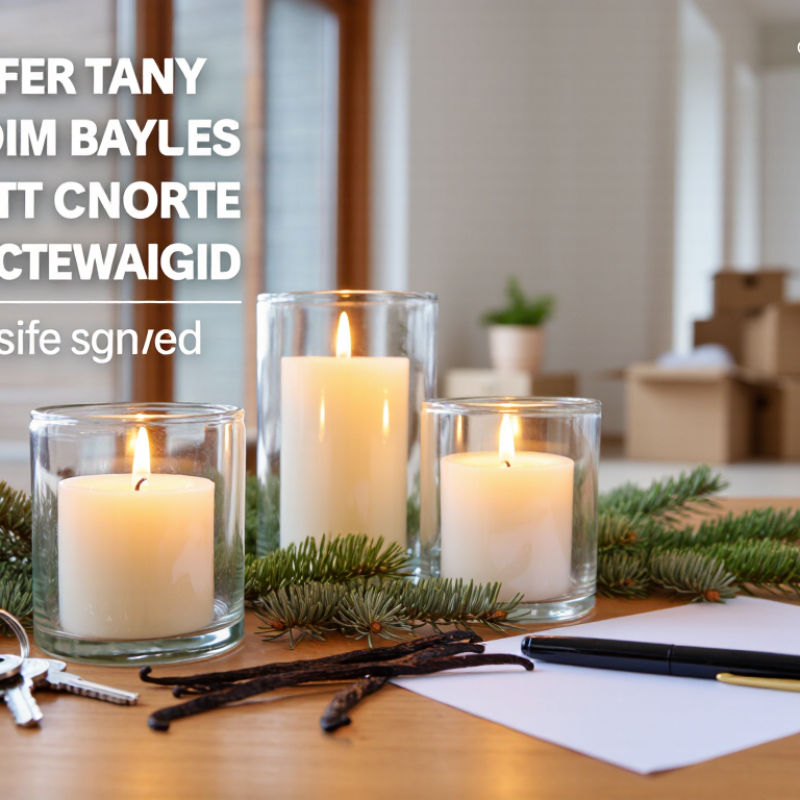
What Are the Best Real Estate Closing Gift Candles?
A real estate closing gift candle should feel thoughtful, useful, and easy to enjoy. The best choice is not always the most expensive one. It should suit the home, the client, and the moment. A soft scent, such as cedar, linen, or light citrus, usually feels welcoming without becoming intrusive. Strong fragrances can create problems for people with allergies, children, or sensitive pets. That detail is easy to overlook.
What Makes a Real Estate Closing Gift Candle Appropriate
In my experience, an appropriate candle has clear labeling, sturdy packaging, and simple safety instructions. A clean, neutral design also fits more homes and personal styles. Consider the property’s character. A coastal home may suit fresh notes, while a country house may welcome warmer scents. Personalization works well, but avoid assumptions about taste. I once chose a rich fragrance that seemed elegant, yet it was too intense for the recipient. That mistake still feels instructive.
Tips: Choose a moderate size that does not overwhelm a small room. Check that the wick is trimmed and the container feels stable. Include a short note tied to the new home, such as, “For peaceful evenings in your new space.” Avoid making unsupported claims about ingredients or wellness benefits. A thoughtful gift should also respect practical concerns, including scent sensitivity and safe burning habits. Some clients may never light it. That is fine. A beautiful, useful candle can still mark the occasion.
| Evaluation Dimension | Recommended Standard | Why It Is Appropriate for a Closing Gift | Best Fit for | Practical Considerations |
|---|---|---|---|---|
| Scent profile | Light, clean, and broadly appealing fragrances such as citrus, fresh linen, soft woods, vanilla, or unscented wax | Subtle scents are less likely to conflict with a recipient’s personal preferences or household sensitivities. | Most buyers, sellers, families, and first-time homeowners | Avoid very strong, smoky, overly sweet, or highly seasonal fragrances unless the recipient’s preferences are known. |
| Wax composition | Clearly labeled wax with a smooth, even appearance, such as soy, beeswax, paraffin, or a documented blend | Clear labeling helps the recipient understand what they are purchasing and burning in the home. | Recipients who value transparency or have specific material preferences | The wax type alone does not determine overall quality; wick design, fragrance load, vessel quality, and safe use instructions also matter. |
| Burn time | Approximately 30–60 hours for a standard medium-sized candle | A useful burn time makes the gift feel substantial without being difficult to store or use. | New homeowners and recipients who enjoy occasional home fragrance | Burn time varies with candle size, wick type, wax composition, and how the candle is maintained. |
| Vessel size | About 6–12 ounces, or a similarly manageable household size | This size is easy to display on a coffee table, entryway surface, bathroom shelf, or kitchen counter. | A wide range of home styles and room sizes | Choose a stable vessel with a broad base and enough space around it to reduce the risk of accidental contact with nearby objects. |
| Container material | Heat-resistant glass, ceramic, or metal with a stable base and a secure finish | A well-made container improves presentation and can sometimes be reused after the candle is finished. | Design-conscious homeowners and recipients who appreciate practical décor | The container should remain cool enough to handle according to its safety instructions and should not show cracks, chips, or damage. |
| Wick quality | A centered wick that is appropriate for the candle diameter and supported by clear trimming instructions | A properly selected and maintained wick supports more consistent burning and helps limit excessive soot or uneven melting. | All recipients, especially new candle users | Trim the wick to approximately 6 millimeters before use when the manufacturer’s instructions recommend it. |
| Safety information | Visible instructions covering supervision, burn limits, wick trimming, and keeping the candle away from flammable items | Safety information demonstrates care and makes the gift more responsible for use in a new home. | Every recipient and household type | A candle should never be left burning unattended, placed near drafts, or used where children or pets can reach it. |
| Personalization | A short neutral message such as “Congratulations on your new home” or “Wishing you many happy memories” | A simple message connects the candle to the closing milestone without making assumptions about the recipient’s taste. | Clients, referral partners, and professional contacts | Keep the wording warm and concise. Avoid including sensitive details such as the purchase price, address, or financing information. |
| Packaging | Protective packaging with a clean presentation, recyclable materials where practical, and a secure lid or cover | Good packaging protects the candle during transport and creates a polished handover experience. | Closing appointments, move-in visits, and mailed gifts | Use cushioning that prevents the vessel from shifting. Avoid excessive packaging that creates unnecessary waste. |
| Color and design | Neutral colors and simple décor, such as white, cream, gray, clear glass, or natural tones | Understated styling is more likely to complement different interior design preferences. | Recipients whose decorating style is unknown | Highly themed colors or large decorative labels may be less versatile in the recipient’s home. |
| Accessibility and sensitivities | Offer a fragrance-free option or disclose fragrance details when possible | Some people are sensitive to fragrance, smoke, or certain ingredients, so choice improves the gift’s suitability. | Households with children, pets, allergies, or fragrance sensitivities | When preferences are unknown, an unscented candle or a small selection of scent options is a considerate choice. |
| Typical gift budget | Approximately $20–$60 for a thoughtfully presented candle, depending on size, materials, and packaging | This range can communicate appreciation while remaining suitable for many professional gifting situations. | Client gifts, referral gifts, and closing-day thank-you gestures | Follow applicable office policies, local regulations, and professional gift limits before giving a closing gift. |
| Overall appropriateness | Excellent when neutral, safe, well-presented, and appropriately personalized | A candle symbolizes warmth, comfort, and the beginning of life in a new home without requiring a specific decorating style. | Most residential real estate transactions | Pair it with a handwritten note rather than additional items unless the recipient’s preferences are clearly known. |
A suitable real estate closing gift candle should be easy to use, visually versatile, responsibly packaged, and supported by clear safety instructions. When preferences are unknown, choose a neutral design, a mild or fragrance-free option, and a brief congratulations message.
Choose a useful candle with a gentle scent, clear labeling, sturdy packaging, and simple safety instructions.
Cedar, linen, and light citrus usually feel clean and approachable.
A 6–9 ounce container often balances price, appearance, and practical use.
Soy blends can offer a smooth finish and broad fragrance appeal.
Add the homeowner’s first name, closing date, or a short message.
Place it in a sturdy box with tissue paper and a brief handwritten note.
Mention a stable, heat-resistant surface and distance from drafts or flammable materials.
Do not assume an intense scent feels luxurious to everyone.
Real estate closing gift candles are a thoughtful way to celebrate a client’s new beginning while adding warmth and personality to their home. The best choice should feel appropriate for the occasion, reflect the client’s style, and complement the atmosphere of their new space. Consider whether they prefer modern, rustic, elegant, minimalist, or cozy décor, then select a scent that suits their preferences and the home’s character. Fresh citrus, soft florals, calming lavender, warm vanilla, and subtle woodsy notes are often welcoming options for a housewarming gift.
Value also depends on practical details such as clean-burning materials, a useful size, an attractive container, and a design that can be reused after the candle is finished. Personal touches can make the gift more meaningful, including a handwritten note, the closing date, or a simple message celebrating the next chapter. Presenting the candle in tasteful wrapping or a small gift box adds a polished finishing touch and helps create a memorable client experience.