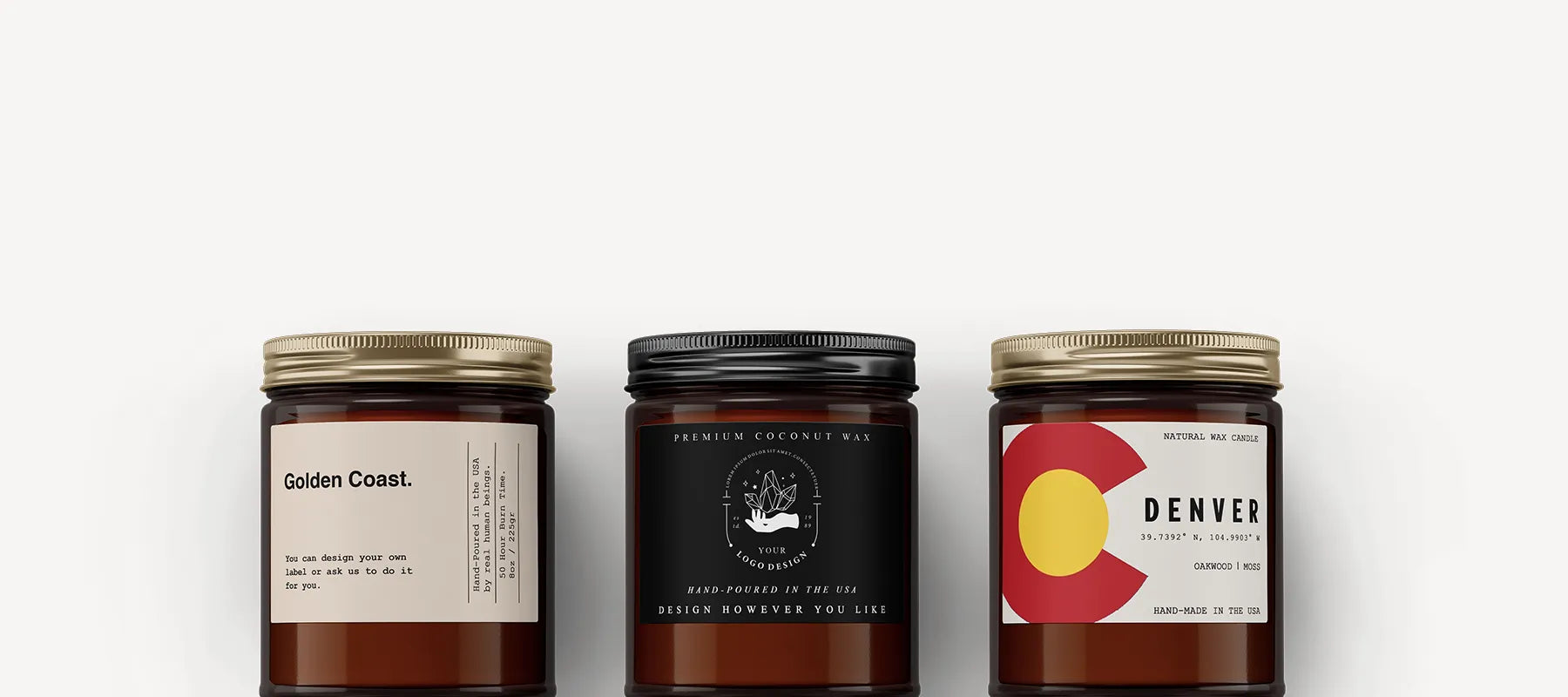
The Definitive B2B Sourcing Guide for Private Label Scented Candles
Mastering formulation physics, zero-MOQ scaling, IFRA safety compliance, and global fragrance trends for commercial procurement officers.

The global market for luxury home fragrances and enterprise private label scented candles is experiencing a structural shift. Modern procurement directors, hospitality brand managers, retail buyers, and boutique founders are no longer seeking simple white-label products; they require sophisticated, scent-engineered products backed by transparent supply chains, rigid regulatory compliance, and rapid prototyping capabilities. As search engines and AI intent engines prioritize technical information gain, this guide provides an exhaustive analysis of wax chemistry, fragrance throw physics, compliance frameworks, cost structuring, and supply chain strategies required to build a market-leading custom candle collection.
At the heart of any commercial private label candle program lies the fundamental science of wax matrix stability and thermal distribution. The interaction between fuel (wax), scent load (essential and synthetic fragrance oils), and capillary action (wick performance) dictates whether a product achieves consumer satisfaction or suffers from burn defects such as tunneling, soot deposition, or oil separation.
Soy Wax vs. Coconut Wax vs. Paraffin Hybrids: Soy wax, derived from hydrogenated soybean oil, remains an industry standard due to its renewable origin, clean combustion profile, and slow burn velocity. However, pure 100% soy wax often exhibits polymorphism (frosting) and lower hot throw capability due to its dense crystalline structure. To solve this, technical formulation leads utilize hydrogenated coconut oil blends. Coconut wax lowers the melting point slightly, softens the crystal lattice, and enables high fragrance loads (up to 10%–12%) without oil sweating or surface shrinkage.
Wick Calibration Physics: Selecting the correct wick is not merely a matter of length. It involves calculating vessel inner diameter, melt pool depth, and fragrance oil viscosity. Flat-braided cotton wicks interwoven with paper filaments provide consistent capillary pull for soy-coconut matrices, maintaining flame height under 1 inch while keeping pool temperatures within the optimal 140°F–160°F (60°C–71°C) range.
For global procurement officers evaluating candle samples, fragrance evaluation is divided into two distinct physical phases: Cold Throw (ambient scent emission at room temperature) and Hot Throw (volatilization during combustion).
Cold Throw Engineering: Cold throw relies on top-note flash points and ambient vapor pressure. When a consumer removes a candle lid at a retail shelf, high-volatility aromatic molecules (such as citrus terpenes, light florals, and ester-rich top notes) must evaporate instantly to create an initial purchase impulse.
Hot Throw Physics: Hot throw occurs when the flame heats the top wax layer into a molten liquid pool. Fragrance molecules bound within the lipid matrix release progressively based on their molecular weights. Middle and base notes—such as sandalwood, vanilla vanillin, amber resins, and patchouli—require controlled melt pool temperatures to diffuse across 200 to 400 square feet without thermal degradation. Overheating the wax matrix (>185°F during pour) singes delicate fragrance notes, creating synthetic or acrid burn profiles.
Streamline your procurement strategy by choosing pre-tested, production-ready vessels paired with clean-burning wax bases and matching air care extensions.
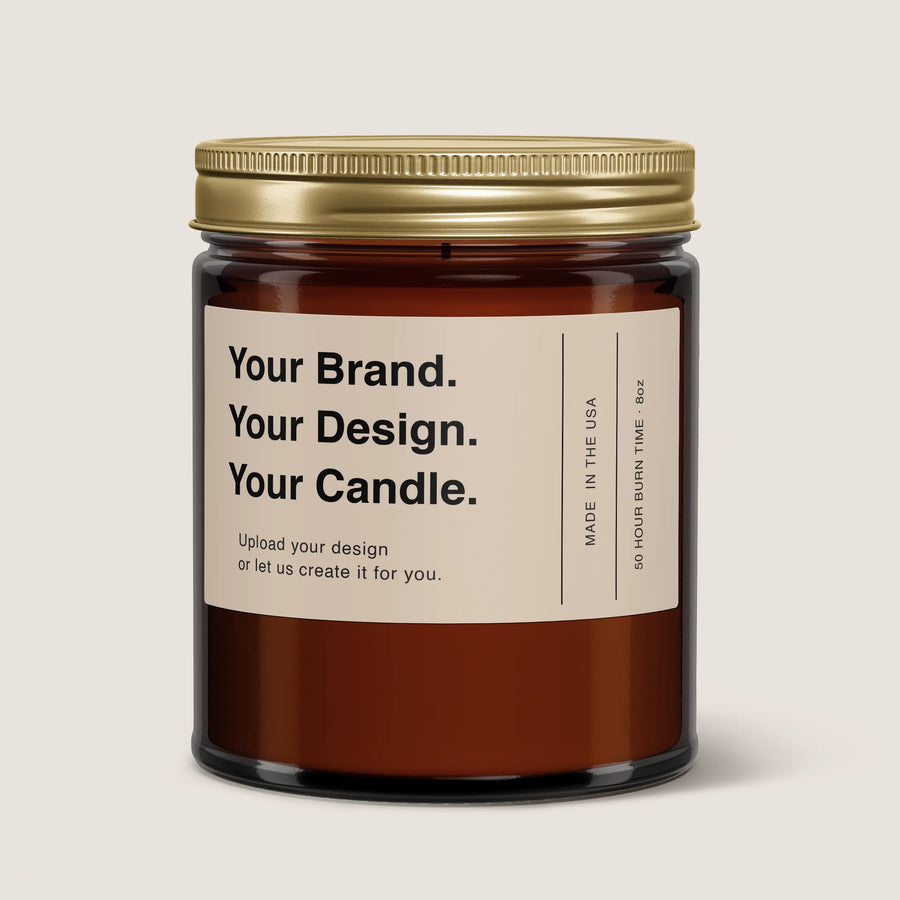
The industry gold standard for luxury, boutique, and wellness brand collections. UV-filtering amber glass protects fragrance oil integrity over extended shelf life.
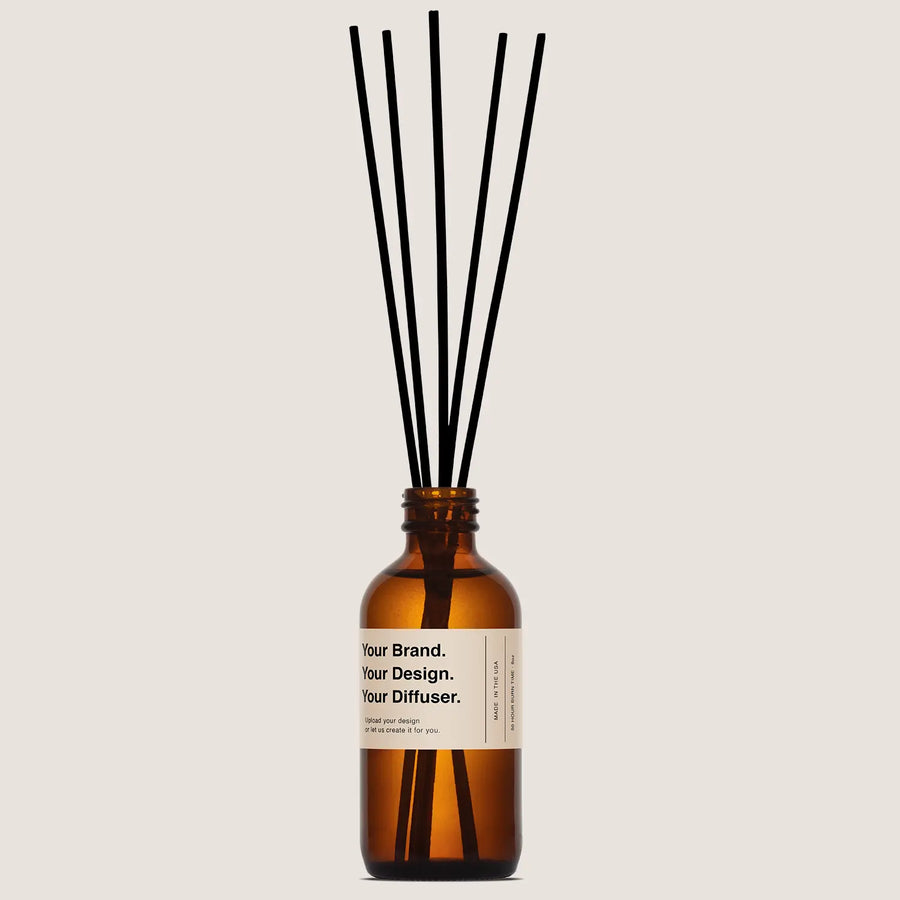
Flame-free ambient scent delivery ideal for luxury hotels, commercial suites, executive offices, and residential spaces where open flame is prohibited.
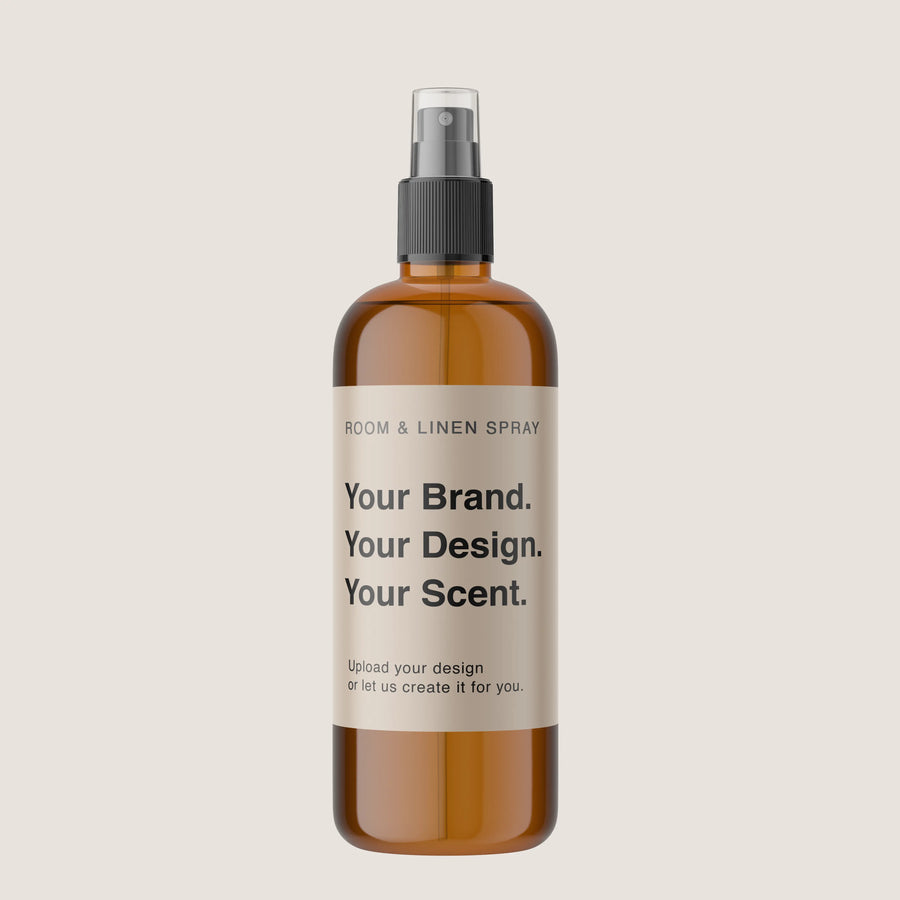
Instant olfactory transformation. High-pressure fine atomizer head distributes micro-droplets without wet residue on linens, upholstery, or curtains.
Unlike trading brokers or unverified overseas sourcing agents, Scented Goods is an active domestic manufacturer based in the United States. We control every stage of production under one roof—from wax blending and fragrance matching to automated pour lines and secondary packaging assembly.
A successful private label candle catalog balances high-volume crowd-pleasers with distinctive niche notes. Our library features over 250 phthalate-free, paraben-free fragrance oils engineered specifically for wax binding.
Stay ahead of changing buyer preferences, regulatory tightening, and environmental mandates by understanding macro shifts in scent manufacturing.
Consumer scrutiny regarding indoor air quality has forced brands away from traditional paraffin wax derived from petroleum refining. Future-proof private label lines utilize 100% plant-based soy, coconut, and rapeseed waxes. Furthermore, procurement specifications now demand fragrance oils free from phthalates, parabens, California Proposition 65 carcinogens, and synthetic musks (e.g., nitromusks).
Boutique hotels, real estate developers, and automotive showrooms increasingly leverage "signature spatial scents." Procurement teams are sourcing integrated scent ecosystems—ordering custom-scented candles for guest rooms, matching reed diffusers for public lobbies, and fine mist sprays for housekeeping turndown services to reinforce brand memory.
As extended producer responsibility (EPR) regulations expand globally, candle packaging is shifting toward infinitely recyclable glass, heavy amber apothecary jars, matte ceramics, and aluminum lids. Refillable wax pillars and modular candle inserts are emerging as key product development focus areas for eco-conscious DTC brands.
High interest rates and supply chain volatility have rendered massive overseas container shipments risky. Forward-thinking buyers are adopting nearshore, low-MOQ domestic production schedules—ordering monthly 48-unit reorders to match real-time retail sell-through rates rather than stockpiling seasonal inventory.
Comprehensive baseline data for evaluating product feasibility, freight planning, and margin projections.
| Vessel Type | Wax Volume / Weight | Optimal Fragrance Load | Wick Specification | Burn Rate / Pool Depth | Safety & Compliance Standards |
|---|---|---|---|---|---|
| 8 oz Amber Glass Jar | 226 g / 8.0 oz net wt | 8% – 10% (18g–22g oil) | Flat-braided cotton #20 | 45–50 Hours (1/2" melt pool) | ASTM F2179, ASTM F2417, CLP, IFRA 51 |
| 10 oz Matte White Tumbler | 283 g / 10.0 oz net wt | 9% – 11% (25g–31g oil) | Double-wick cotton braided | 55–60 Hours (5/8" melt pool) | ASTM F2179, ASTM F2417, OSHA HCS |
| 4 oz Amber Reed Diffuser | 118 ml / 4.0 fl oz net vol | 15% – 25% scent concentrate | 8x Rattan natural reeds (3mm) | 8–12 Weeks continuous release | IFRA Category 10A, VOC Compliant |
| 4 oz Amber Room Spray | 118 ml / 4.0 fl oz net vol | 5% – 8% scent solubilized | 0.14 ml Fine mist pump actuation | ~600 Actuations per container | IFRA Category 10B, Consumer Product Safety |
How we eliminate months of R&D friction and bring bespoke candle lines to market in days.
Choose from our stocked apothecary jars, tumblers, or request custom glass moulding and ceramic glazes tailored to your brand pantone.
Select scents from our 250+ fragrance oil library or request custom perfumery matching. Order sample burn kits for hot throw validation.
Utilize our design studio to create waterproof, oil-resistant matte or glossy labels complete with required safety warning panels.
Automated pour lines ensure exact thermal control and fill levels. Finished goods pass inspection and dispatch within 48 hours of proof sign-off.
Answers to the most critical technical, financial, and logistical questions regarding private label scented candle manufacturing.