Custom Candles Made Simple · Made in the USA · Dispatch within 48 hours of artwork approval
0%

A Made in USA custom candle manufacturer creates candles to a client’s specifications and produces them in the United States. The work may include choosing wax, fragrance, wick, vessel, and packaging, then testing how those elements perform together. A project might begin with a scent brief and a sample poured into a glass jar. Small changes can matter: a wick that burns evenly in one vessel may not behave the same way in another.

The manufacturer’s role can extend beyond pouring and finishing. Some offer formulation support, private labeling, packaging coordination, and production planning; available services vary by facility. Ask how samples are reviewed, how batches are checked, and what information supports claims about materials or domestic production. Clear answers help brands compare suppliers without relying on attractive product photos alone. Details matter.

Working with a U.S.-based producer may offer closer communication and more visibility into production, but it does not automatically guarantee a particular level of quality or domestic content. Brands should confirm what the manufacturer actually makes, which components come from other suppliers, and how production timelines are estimated. There can be trade-offs. Custom development takes time, and an early sample may need revision before it burns as intended. This guide explains what these manufacturers do, how the process typically works, and which practical questions can help you assess a potential partner. It also considers where expectations should be checked against evidence, rather than assumed.
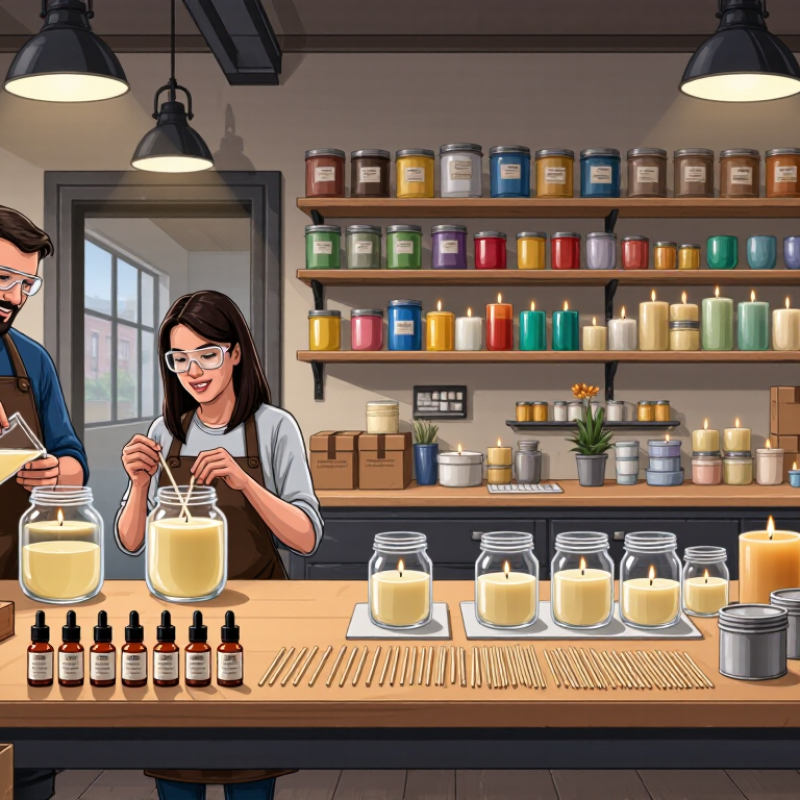
What Is a Made in USA Custom Candle Manufacturer?

What Defines a Made in USA Custom Candle Manufacturer?

A Made in USA custom candle manufacturer designs and produces candles within the United States, while clearly explaining which parts of the process happen domestically. The label alone tells only part of the story. Ask where the wax is blended, where candles are poured, and where finishing and packing take place. A credible manufacturer should answer plainly and support its claims with supplier records or production details.

Custom work should involve more than choosing a scent from a list. It can include vessel size, wax blend, wick selection, fragrance strength, label design, and packaging. Small choices affect how a candle burns. A wick that is too large may create a tall flame; a heavy fragrance load can change performance. Testing matters. Burn tests across sample batches help identify uneven melting, excess soot, or weak scent throw. These checks should be explained, not just promised.

Reliable makers also share realistic timelines, minimum order quantities, and quality-control steps. They should be willing to discuss what they cannot customize. That matters. I would still ask how they handle a batch that burns differently from its approved sample; it is an easy detail to overlook. Clear answers make it easier to judge whether a manufacturer can deliver consistent candles, not merely attractive prototypes.

How Custom Candles Are Designed and Produced

A Made in USA custom candle manufacturer turns a product brief into a repeatable design. The process begins with practical choices: wax type, vessel size, fragrance, color, and intended burn time. A designer may test several wick sizes in the same jar, since a wick that is too small can tunnel, while an oversized one may create excessive heat. Small changes matter.

Prototypes are poured, cooled, and burned in measured cycles. Makers record flame behavior, melt-pool width, soot, and vessel temperature, then adjust the formula or wick. The first sample may fail. A glossy surface does not prove a candle burns evenly, so visual checks alone are not enough. The National Candle Association also emphasizes following candle safety practices, including keeping candles away from drafts and trimming wicks before use.

Market demand helps explain the value of customization. Grand View Research’s Candle Market Size, Share & Trends Analysis Report estimated the global candle market at USD 6.8 billion in 2022, with projected growth of 6.5% annually from 2023 to 2030. That figure describes the broader market, not a guarantee for any product. For production, each approved sample should become a documented specification, covering ingredient weights, wick, vessel, and burn-test results. Otherwise, a later batch may look right but behave differently.

Which Materials and Processes Shape Candle Quality?

Candle quality begins with materials that behave consistently. Soy, beeswax, paraffin, and blended waxes each melt and cool differently, affecting scent release, surface texture, and burn time. A manufacturer should match the wick to the wax, vessel diameter, and fragrance load. Too large a wick can create a tall flame and excess heat; too small, and wax may remain along the jar’s edges. Small details matter.

Vessel shape and fragrance concentration also influence performance. Makers can test samples in the intended container, recording flame height, melt-pool width, and soot over several burns. They should check that wicks stay centered and that wax sets without cracks or deep sinkholes. Not every test passes. A batch may look smooth but still burn unevenly, so visual inspection alone is not enough. Temperature control, careful weighing, and consistent curing help reduce variation, though small differences can remain between batches. Reliable production depends on documenting those results and adjusting the formula when evidence points to a problem.

What “Made in USA” Means for Candle Manufacturing

A “Made in USA” claim is more than a candle poured or packed on American soil. Under the Federal Trade Commission’s Made in USA Labeling Rule, an unqualified claim generally requires that a product be “all or virtually all” made in the United States. Final assembly, processing, and the origins of significant components matter. For a custom candle, that means asking where the wax, wick, fragrance, dye, and vessel come from—not just where the candle cools. That sounds simple. It isn’t.

The National Candle Association reports that about 9 in 10 candle users use candles to make a room feel cozy or comfortable. That detail helps explain why buyers care about consistent scent, an even burn, and a vessel that feels solid in the hand. A responsible manufacturer should be able to explain its sourcing and production steps, and support origin claims with records. A domestic pour does not automatically make every ingredient domestic. Nor does a U.S. address prove where components were made. Ask for specifics. Even careful sourcing can involve trade-offs, and that is worth stating plainly rather than hiding behind a label.

Where Custom Candle Manufacturers Serve Brands and Buyers

What Is a Made in USA Custom Candle Manufacturer?
Where Custom Candle Manufacturers Serve Brands and Buyers

A Made in USA custom candle manufacturer makes candles to a buyer’s specifications, often handling wax selection, fragrance blending, vessel sourcing, pouring, and packaging. These manufacturers serve independent retailers, hospitality businesses, event planners, and larger product teams. A hotel might request a soft cedar scent in a glass vessel for guest rooms. A shop may need smaller production runs and packaging that fits its shelves. Domestic production can make communication and sample revisions easier, though lead times and material availability still vary.

Custom manufacturers also help buyers turn an idea into a repeatable product. They can discuss burn testing, wick selection, scent strength, and how a formula behaves in different vessels. Details matter: a wick that works in one jar may produce an uneven burn in another. Ask for samples and clear production specifications before approving a larger order. “Made in USA” can describe different production arrangements, so ask which steps happen domestically and where key materials come from. Not every request will be practical on the first try.

Tips: Share your target quantity, budget, vessel, and scent direction early. Request a written sample approval and confirm production timing. Small details can prevent expensive surprises.

FAQS

What does a custom candle manufacturer do?

It turns a buyer’s brief into candles with selected wax, fragrance, color, vessel, and burn time. It may also handle packaging.

Which details should buyers share early?

Share your target quantity, budget, preferred vessel, and scent direction. Early details can prevent costly surprises.

How are candle samples tested?

Makers burn samples in measured cycles and record flame behavior, melt-pool width, soot, and vessel temperature. Not every test passes.

Why does wick size matter?

A wick that is too small may leave wax along a jar’s edges. An oversized wick can create excess heat and a tall flame.

Which materials affect candle performance?

Soy, beeswax, paraffin, and blended waxes melt and cool differently. Fragrance concentration and vessel shape also affect scent release and burning.

Does a smooth candle surface prove good quality?

No. A glossy surface can hide uneven burning, soot, or a poor melt pool. Looks can fool you.

What should buyers request before a large order?

Request samples, written approval, and production specifications. These should document ingredient weights, wick, vessel, and burn-test results.

Does domestic production guarantee faster delivery?

No. Communication and sample revisions may be easier, but lead times and material availability vary. Ask which production steps happen domestically.

Can every custom candle request be produced as planned?

Not always. A scent or vessel may need adjustments after testing, and batches can still vary slightly. That deserves honest attention.

Conclusion

A Made in USA custom candle manufacturer creates candles tailored to a buyer’s preferred style, scent, shape, size, packaging, and intended use. The process often begins with a design brief, followed by selecting materials, testing fragrance and wax combinations, and refining prototypes before production. Careful attention to pouring, cooling, finishing, and quality checks helps ensure that each candle looks consistent and performs as intended.

Materials and production methods influence a candle’s appearance, scent throw, burn behavior, and overall quality. The phrase “Made in USA” generally indicates that manufacturing takes place in the United States, though buyers may want to ask what parts of the process and materials are domestic. These manufacturers can serve retailers, hospitality businesses, event planners, and other buyers seeking custom candles for gifts, décor, promotions, or private-label collections. Choosing the right Made in USA custom candle manufacturer means matching production capabilities, design options, and quality standards to the project’s needs.


Seraphina

Seraphina

Seraphina is a dedicated marketing professional and trusted voice behind the company’s educational content. With a strong understanding of the company’s products, customer needs, and industry trends, she transforms complex information into clear, practical, and engaging insights. Through regularly......