Sourcing Private label scented candles requires more than choosing an attractive fragrance and placing an order. A reliable process begins with clear product goals, realistic budgets, and carefully selected manufacturers. You need to define the wax type, jar material, wick style, fragrance strength, burn time, and target customer. Small details matter.
Experienced buyers usually request samples before discussing large production runs. Test each candle in the intended room, not only on a factory desk. Observe the flame height, melting pattern, scent release, smoke, and glass temperature. Record these results honestly. The first sample can mislead. A candle may smell impressive cold but feel weak when burning.
Supplier evaluation should include factory experience, material traceability, quality procedures, packaging capability, and communication speed. Ask for fragrance documentation and product testing records where appropriate. Confirm labeling details, carton protection, lead times, minimum order quantities, and replacement policies. A professional supplier should answer clearly, even when a request is difficult. Vague promises deserve caution.
Brand owners should also inspect the finished packaging under real shipping conditions. Drop-test a boxed candle. Check whether the lid shifts, labels wrinkle, or wax develops surface changes during temperature fluctuations. I have found that attractive prototypes sometimes hide practical weaknesses. That is not failure; it is useful evidence. Refine the specification before approving production. A dependable sourcing plan balances creativity, safety, cost, and repeatable quality. When these elements align, Private label scented candles can become a consistent product line rather than a one-time purchase.
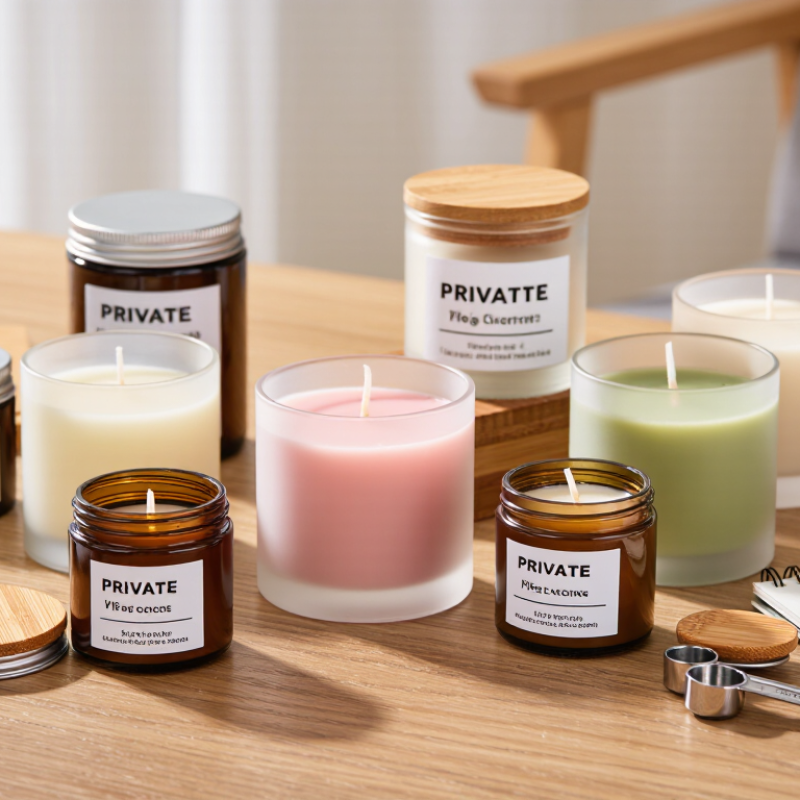
A clear product brief is the foundation of private label candle sourcing. The global candle market was valued at approximately USD 12.88 billion in 2022, according to Grand View Research. Its projected growth makes differentiation more important. Do not begin with fragrance names alone. Define the customer, room, season, and expected price.
Specify the wax type, fragrance concentration, vessel material, wick, size, burn-time target, and packaging. For example, a 220-gram candle may need a cotton wick and a tested burn time near 45 hours. Treat this as a starting point, not a promise. Wick performance can change with wax, fragrance, vessel diameter, and room conditions. Request supplier samples, batch records, safety data, and independent burn-test results. Ask for fragrance allergen information and consistent quality controls. A low minimum order quantity is useful, but unstable fragrance performance is expensive.
Tips: Prepare a one-page specification sheet. Include scent direction, color tolerance, label dimensions, carton strength, target cost, and acceptable defects. Test at least three samples in different rooms. Record soot, tunneling, melt-pool width, and scent strength. Small details matter. A candle that smells elegant cold may feel weak when burning. I have seen early briefs focus too much on appearance. That is an easy mistake. Recheck your requirements after testing, and allow practical changes before production.
When sourcing private label scented candles, define product standards before requesting quotes. Specify wax type, fragrance load, vessel material, wick size, burn time, and label finish. Ask for physical samples, not only digital photos. Burn each sample in the intended room size. Record soot, tunneling, scent strength, and flame stability. A beautiful sample can still fail after repeated burns. My early testing missed this detail.
Build the budget around each sellable unit. Include sampling, setup charges, fragrance testing, packaging, inspection, freight, and import costs. Keep a 10 to 15 percent contingency for revisions or damaged cartons. Cheap wax may reduce the quote, but uneven surfaces can increase returns. Ask suppliers to separate one-time charges from recurring production costs. This makes comparisons fair. Request relevant safety and material documents before approving production, and keep them with your purchase records.
Set order quantities around realistic demand, storage space, shelf life, and cash flow. A low MOQ is attractive, yet it may limit vessel choices or raise unit costs. A large order may reduce pricing but trap money in slow fragrances. My first forecast was too optimistic. I would now request a pilot run with written acceptance criteria. Check fill weight, label placement, carton strength, and scent consistency before scaling. Leave room for adjustment.
How to Source Private Label Scented Candles?
Finding a suitable candle manufacturer requires more than comparing prices. Start by defining your product brief. Include wax type, vessel material, fragrance strength, wick style, burn time, label size, and target order quantity. A clear brief helps factories respond with comparable information. It also exposes unrealistic expectations early.
Request samples from several manufacturers. Examine the cold scent, hot scent, melt pool, flame height, soot, and remaining wax. Burn each candle in the same room and record results at regular intervals. Ask for fragrance documentation, safety data, material specifications, and batch control procedures. Reliable manufacturers should explain their testing methods without vague promises. Factory audits, production photos, and sample packaging can provide useful evidence, but they are not perfect proof.
Compare more than the unit cost. Review minimum order quantities, mold fees, packaging charges, sampling time, production lead time, payment terms, and quality inspection options. Ask how the factory handles cracked vessels, incorrect labels, or inconsistent fragrance batches. Communication matters. Slow or unclear replies may create costly problems later. I once focused too heavily on a lower quotation and overlooked weak packaging protection. The final samples arrived with damaged cartons. That mistake changed my evaluation sheet. I now score product quality, documentation, responsiveness, and corrective action separately. No supplier performs perfectly. A manufacturer that admits limitations and proposes practical solutions may be more dependable than one offering flawless claims.
Use these practical benchmarks to compare suitable candle manufacturers. Lower MOQ and shorter lead times can support market testing, while higher production capacity is useful for established demand.
Benchmarks shown are typical sourcing ranges for private-label scented candles and should be confirmed with each manufacturer before placing an order.
Private-label scented candle sourcing begins with samples, not catalog promises. Grand View Research estimates the global scented candle market reached USD 2.32 billion in 2022, with a 5.7% CAGR forecast through 2030. That growth attracts capable factories and rushed imitators. Request three samples using one wax formula: standard, stronger fragrance, and your target vessel. Burn each for four hours. Record flame height, soot, tunneling, scent throw, and jar temperature. Test cold scent, too.
Ask for current Safety Data Sheets, fragrance compliance documents, and batch traceability. IFRA conformity supports responsible fragrance use, but it is not a complete product-safety certificate. Check applicable standards, including ASTM F2417 for candle fire safety and ASTM F2058 for warning labels in the United States. European sales may require CLP labeling, REACH duties, and relevant EN standards. Match every document to the exact fragrance percentage, wax, wick, and vessel. Generic certificates are weak evidence.
Assess production capability on the factory floor. Review wax temperature controls, wick-centering tools, curing time, ventilation, and burn-test records. The National Candle Association reports that container and jar candles represent about 60% of U.S. candle sales, making vessel testing commercially important. Ask for a pilot run, not only polished samples. Measure fill weight across ten units and inspect frosting, cracks, adhesion, and label placement. I once treated a beautiful sample as proof of consistency. That was careless. Require retained samples, inspection photos, corrective-action records, and written tolerances before mass production.
How to Source Private Label Scented Candles?
Finalize branding, packaging, pricing, and supply terms before placing a production order. Start with a clear brand direction: warm, minimalist, botanical, or seasonal. Prepare the label text, logo files, candle size, wax type, fragrance profile, and container finish.
Request physical samples, not only digital images. Check the scent throw, burn time, melt pool, wick stability, and surface appearance.
Small details matter.
Packaging must protect the glass during transport and support the product story. Test a packed sample with a short drop test and inspect every corner afterward.
Include accurate product information, warning language, batch identification, and destination-market requirements. Requirements can differ between countries. Verify them with a qualified compliance professional.
I once approved a beautiful box that was too loose inside the shipping carton. It looked polished, but it failed practical handling.
Build pricing from the full landed cost. Include the candle, label application, packaging, freight, duties, testing, and expected waste.
Ask suppliers about minimum order quantities, production lead times, payment stages, inspection rights, and replacement policies. Put every agreed detail in writing.
A lower unit price may hide slow production or costly rework. Leave room for honest defects.
Also, do not promise a launch date before confirming raw material availability. Fragrance components can change unexpectedly, and my first forecast was too optimistic.
Reliable sourcing requires evidence, clear terms, and a willingness to revise weak assumptions.
Specify wax type, fragrance load, vessel material, wick size, burn time, and label finish.
Digital photos cannot reveal soot, tunneling, flame instability, or weak scent.
Check cold scent, hot scent, melt pool, flame height, soot, and remaining wax.
Include samples, setup charges, fragrance testing, packaging, inspection, freight, and import costs.
Consider realistic demand, storage space, shelf life, and cash flow.
Request safety information, material specifications, fragrance documents, and batch control procedures.
Review unit cost, minimum order quantity, mold fees, packaging, lead time, and payment terms.
Ask how the factory handles cracked vessels, incorrect labels, damaged cartons, and inconsistent fragrance batches.
Not always.
Clear replies, practical testing methods, and honest limitations are useful signs.
Sourcing Private label scented candles starts with clearly defining your product requirements, including candle type, wax, fragrance profile, container style, size, burn time, and target customer. Establish practical product standards, budget limits, and expected order quantities before contacting manufacturers. This helps you focus on suppliers that can meet your quality expectations and production needs while supporting a realistic launch plan.
Next, compare suitable candle manufacturers by reviewing their experience, customization options, minimum order quantities, lead times, and communication process. Request samples to assess scent quality, appearance, packaging, and performance, and confirm relevant certifications and production capabilities. Once a supplier is selected, finalize the branding, packaging design, pricing structure, payment terms, quality controls, and delivery schedule. Clear supply agreements and consistent product evaluation can help build a reliable foundation for a successful private label scented candles business.