Direct Factory Turnkey Formulations & Custom OEM/ODM Vessels
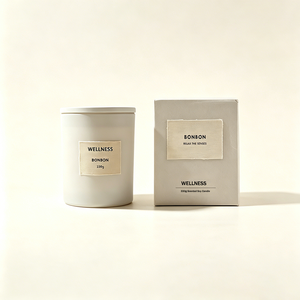
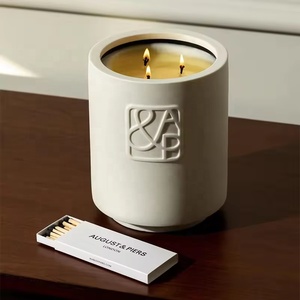
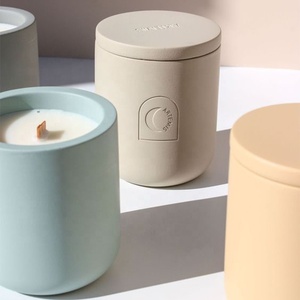
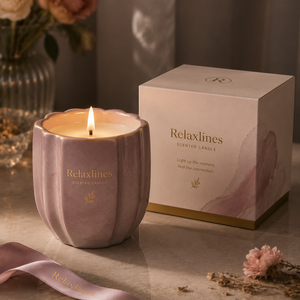
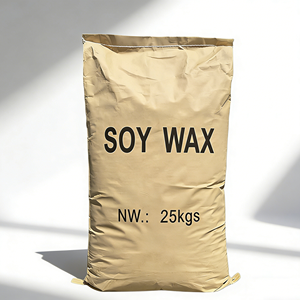
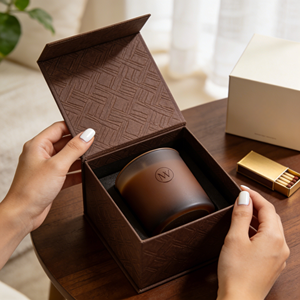
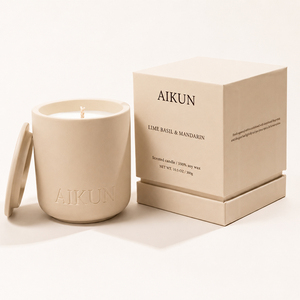
The global market for home fragrance—encompassing luxury scented candles, ultrasonic reed diffusers, room atomizers, and solid state scent media—has transitioned from decorative novelties to high-growth functional wellness essentials. As procurement teams evaluate potential manufacturing partners, China’s industrial fragrance cluster has emerged as the global epicenter for turnkey OEM/ODM manufacturing. This strategic dominance is rooted in a hyper-integrated ecosystem that seamlessly connects raw chemical processing, high-purity botanicals, custom glass and ceramic craft, and automated precision pouring technology.
Choosing top-tier China home fragrance manufacturers grants international brands unparalleled operational agility. Unlike traditional Western batch-manufacturers operating under rigid high-MOQ structures and extended lead times, premier Chinese suppliers leverage modular manufacturing lines. This enables real-time adjustments between low-volume private label launches and massive retail distribution runs. More importantly, advanced Chinese manufacturing infrastructure integrates rigorous compliance verification into every stage of production—ensuring full alignment with North American CARB VOC standards, European REACH regulations, and global IFRA 51st Amendment guidelines.
Proprietary hydrogenation methods allow customized blends of soy, coconut, beeswax, and vegetable waxes. Formulations eliminate frosting, optimize surface planarity, and achieve structural thermal stability up to 55°C for international ocean transit.
In-house Gas Chromatography-Mass Spectrometry (GC-MS) analysis optimizes Cold Scent Throw (CST) and Hot Scent Throw (HST). We engineer uniform molecular dispersion to prevent scent separation and soot formation during extended burns.
Fully integrated glass, ceramic, and metal vessel crafting. Offering hand-embossed ceramic jars, electroplated metallic glass, matte frosted finishes, and zero-plastic eco-friendly kraft paper and linen labeling.
To capture market share in an increasingly conscious consumer market, brand procurement managers must align with fundamental shifts in home fragrance engineering and sourcing logistics. Leading Chinese manufacturers are driving four macro trends:
Consumer demand has moved far beyond simple "paraben-free" claims. The market demands total transparency regarding indoor air safety. Modern sourcing requires non-toxic, phthalate-free, non-CMR (carcinogenic, mutagenic, or toxic for reproduction) scent bases. Innovative Chinese factories are replacing petrochemical solvents with soybean-derived methyl esters and dipropylene glycol alternatives derived from renewable plant sugars.
Fragrance profiles are morphing from static olfactive scents into functional, emotion-regulating formulations. Procurement leads are actively sourcing functional fragrances infused with natural essential oils proven to enhance sleep hygiene, reduce cortisol, or improve focus. Furthermore, upcycled fragrance ingredients—such as essential oils distilled from food-industry citrus peels and wood byproduct cedar shavings—are rapidly becoming baseline requirements for premium collections.
Single-use home fragrance packaging is facing intense regulatory pressure. Modern sourcing focuses on vessel longevity. Modern suppliers engineer ceramic and heavy-base molded glass vessels meant to serve as luxury home decor long after the initial wax core burns out. Turnkey refill wax inserts (shipped in compostable linen or kraft packaging) allow brands to establish high-margin recurring subscription revenue streams.
High-speed, automated multi-head wax filling lines with inline thermographic inspection enable top factories to maintain strict quality metrics while slashing minimum order quantities (MOQs). This agility empowers emerging private labels to launch seasonal micro-collections while providing enterprise retail brands with rapid restock fulfillment cycles within 10 to 14 days.
Understanding the physical and chemical trade-offs of candle vessels, wicks, and wax substrates is critical for sourcing directors establishing private label benchmarks.
| Vessel / Substrate Material | Thermal Shock Tolerance | Optimal Fragrance Loading | Wick Calibration Compatibility | Recommended Retail Positioning |
|---|---|---|---|---|
| Handcrafted Luxury Ceramic | High (>180°C ΔT) | 10% - 14% (High Throw) | Pure Wood Core / Heavy Braided Cotton | Ultra-Premium Wellness & Gifting Collections |
| Molded Frosted Glass | Medium (120°C ΔT) | 8% - 10% (Standard) | Lead-Free Unbleached Cotton Wick | Nordic Minimalist & Contemporary Home Decor |
| Apothecary Amber Glass | Medium-High (140°C ΔT) | 6% - 10% (Clean Burn) | Paper-Core Braided Cotton | Boutique Spa, Unisex & Heritage Brands |
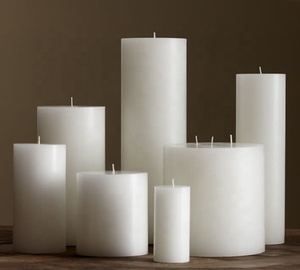
| Free-Standing (No Jar Pillar) | N/A (Structural Melt Focus) | 4% - 6% (Low Load for Shape) | Rigid Flat-Braided Cotton | Architectural Sculpture & Event Decor |
Executing a successful private label home fragrance program requires a structured engineering approach to navigate scent stability, thermal dynamics, and packaging safety. Below is the operational roadmap executed by top China manufacturers:
Scent Briefing & Custom Fragrance Matching. Selecting pure plant oil bases, natural soy wax hydrations, or synthetic-botanical hybrid oils. Determination of initial burn dynamics and target burn hours (e.g., 45-50 hrs for 8oz jars).
Wick calibration and burn pool optimization. Testing for tunneling, sinkholes, and soot generation across 4-hour cycle intervals. Flame height and container wall heat dispersal are monitored via thermal imaging cameras.
Finalization of Safety Data Sheets (SDS), IFRA Certificate validation, and CLP labeling for EU compliance. Vacuum-assisted automatic wax pouring, automated label positioning, and drop-test packaging verification.
Critical Procurement Answers for Sourcing Managers & Brand Owners
While traditional glass candle manufacturing often requires 3,000+ units per SKU due to custom glass mold costs, our flexible OEM lines offer tiered MOQs starting as low as 500 units for stock ceramic or standard amber glass vessels with custom private labeling. Custom color glass matching or bespoke ceramic mold production typically carries a 1,000 to 2,000 unit baseline.
Top-tier export manufacturers maintain direct partnerships with leading international scent houses (such as Givaudan, Firmenich, and IFF) as well as certified domestic oil distillers. Every fragrance compound is supplied with a comprehensive Safety Data Sheet (SDS 16-section format), an IFRA 51st Amendment Certificate of Compliance, and chemical screening verifying the total absence of prohibited phthalates, parabens, and heavy metals.
Frosting (the formation of tiny white crystal structures on natural soy wax surfaces) and sinkholes occur during uneven cooling phases. We mitigate this through precise thermal control: using computer-monitored wax pouring temperatures (typically between 62°C and 68°C depending on ambient humidity) and passing filled vessels through slow-cooling tunnel chambers equipped with laminar air-flow systems to guarantee perfectly smooth, planar surfaces.
Yes. Our ODM perfumery team can replicate benchmark reference samples via GC-MS analysis or formulate entirely custom scent pyramids based on your brand mood board. Sample bench-lab scent creation takes approximately 5 to 7 working days, allowing brands to test cold and hot scent performance prior to initiating full production runs.
Braided lead-free cotton wicks offer consistent, predictable flame control, minimal carbon buildup, and universal compatibility across most wax formulations. Natural wood wicks produce a distinctive ambient crackling sound and visual aesthetic favored in luxury acoustic collections. However, wood wicks require precise wax blend formulation to ensure optimal oil capillary action and burn stability.
Partner with China’s premier home fragrance manufacturer. Get direct access to factory-direct pricing, custom vessel engineering, and IFRA-compliant fragrance formulations tailored to your brand identity.
