Explore our production-ready luxury vessel candles, featuring customized organic cotton, wood-core, and multi-wick structural engineering.
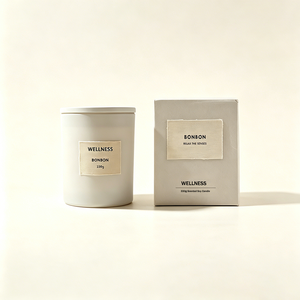
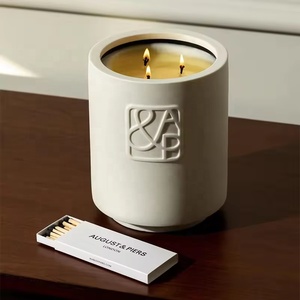
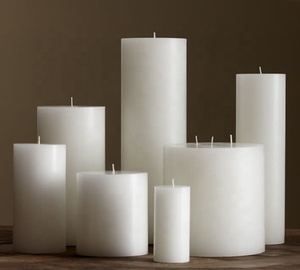
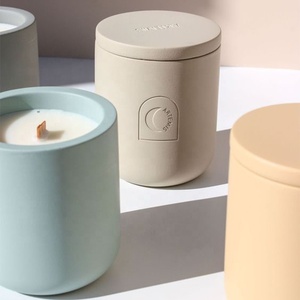
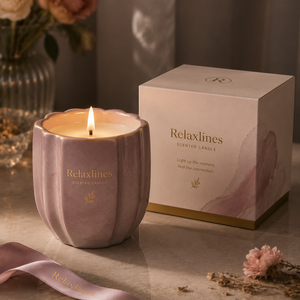
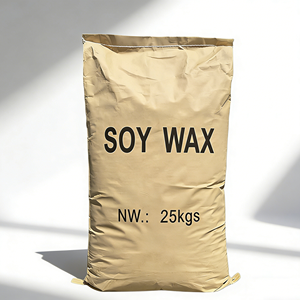
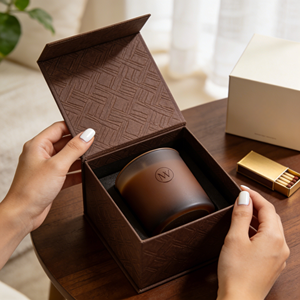
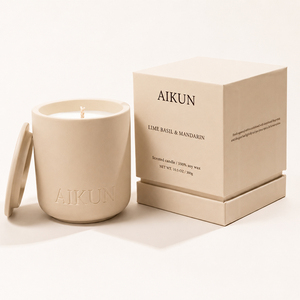
We deliver industrial-grade engineering, stringent combustion quality control, and rapid manufacturing scalability for global luxury home fragrance brands.
Our state-of-the-art braiding equipment controls thread tension down to the millimeter, ensuring consistent fuel draw speeds, uniform flame height, and zero premature extinguish risks.
We customize chemical treatments and wax-priming coats based on your candle's exact melt point, oil density, and fragrance loading (up to 12% essential oil load).
Equipped with ultra-precise automated tab crimping, we supply wicks pre-cut to exact heights (20mm to 300mm) with custom neck-height sustainers for seamless automated candle filling lines.
All raw materials utilize 100% natural ring-spun cotton fibers, pure hemp, or certified sustainable softwoods. Guaranteed completely free of lead, zinc, or toxic core wires.
Every OEM order undergoes strict climate-controlled burn testing. We track flame stability, soot emissions, container wall temperatures, and complete wax consumption efficiency.
From initial capillary rate matching and sample prototyping within 48 hours to volume container shipping in under 14 days, we safeguard your supply chain reliability.
In professional contract candle manufacturing, the candle wick functions as the engine of the entire thermodynamic delivery system. Selecting or engineering the correct custom OEM wick is not merely a matter of length or material preference; it is a rigorous fluid dynamics and combustion science challenge. The primary function of the wick is to draw molten wax upward via capillary action toward the flame zone, where liquid fuel vaporizes and reacts with ambient oxygen.
When OEM candle brands encounter quality failures—such as excessive soot, tunneling, off-center burn pools, or dangerous flame spikes—the root cause almost universally traces back to an imbalance between wax viscosity, fragrance oil thermal degradation, vessel heat absorption, and wick capillary rate.
As a leading global B2B supplier and manufacturer, we engineer four primary core wick architectures tailored to specific wax chemistries:
The structural performance table below highlights our standard OEM engineering parameters applied during custom product development:
| Wick Family | Core Composition | Target Wax Viscosity | Capillary Rate | Best Vessel Application |
|---|---|---|---|---|
| AICC-EcoFlat Series | 100% Organic Ring-Spun Cotton | Low–Medium (Soy, Coconut) | High (0.45 ml/hr) | Small to Medium Jars (50–75mm) |
| AICC-RigidPaper Series | Cotton + Paper Filament Core | Medium–High (Soy Blends, Palm) | Balanced (0.38 ml/hr) | Large Amber Jars (75–90mm) |
| AICC-SquareBees Series | Heavy Density Braided Cotton | Very High (100% Pure Beeswax) | Ultra-High (0.58 ml/hr) | Pillars & Molded Shapes |
| AICC-AcousticWood Series | Double-Layer Natural Hardwood | Universal (Soy, Paraffin, Gel) | Linear Thermal Radiation | Luxury Ceramic & Concrete Vessels |
The global home fragrance landscape is undergoing a massive shift driven by stricter chemical transparency mandates and evolving consumer expectations. Procurement teams and brand owners must adapt to three macro trends defining the OEM candle wicks market:
Regulatory bodies across the European Union (REACH standards) and North America (California Proposition 65) have intensified scrutiny on heavy metals in indoor air products. While zinc-core wicks were historically favored for their rigid posture in pillar candles, top-tier brands now strictly mandate non-metallic structural solutions. Modern OEM factories utilize specialized vegetable-wax priming treatments and paper-interwoven cores that deliver structural stability without releasing airborne metallic particles.
Clean-label branding requires every component of the candle to mirror the natural positioning of the formula. Unbleached organic cotton and sustainably farmed hemp wicks have seen a 140% surge in OEM demand. These raw, untreated fibers eliminate chlorine residue during manufacturing, aligning seamlessly with organic, vegan, and eco-friendly consumer product lines.
Candles are increasingly purchased for immersive wellness experiences rather than basic illumination. Crackling wooden wicks, dual-wick linear flame setups, and custom-braided ribbon wicks allow luxury brands to establish distinctive sensory branding. The acoustic feedback of a gently crackling wooden core elevates perceived product value and justifies premium retail price points.
Innovations in thermal chemistry and automated manufacturing shaping the next generation of candle wicks.
Advanced non-toxic salt baths (phosphate and borate free) applied during thread spinning prevent carbon ions from fusing at the wick tip. This dramatically reduces black carbon deposits even when burning candles infused with high-concentration natural essential oils.
Micro-laser cutting allows wooden wicks to be produced with precise vertical micro-grooves. These micro-channels act as capillary highways, guaranteeing fast flame establishment and eliminating flame sputtering caused by uneven wood density.
To prevent vessel overheating and thermal shock glass breakage near the burn end, custom OEM sustainers now feature extended safety neck heights (up to 10mm). The high neck automatically extinguishes the flame before reaching the container bottom, fulfilling international ASTM F2417 safety standards.
Technical clarity and procurement guidance for brand directors, product engineers, and supply chain buyers.
Contact our engineering team today to request custom wick sample kits, submit your wax formulations for lab testing, or download our OEM product catalog.
Get Catalog