Precision-engineered soda-lime and borosilicate glass vessels, hand-poured soy wax candles, and private label reed diffusers manufactured under ISO 9001 quality compliance.
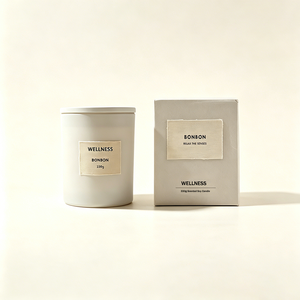
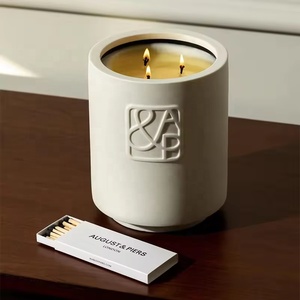
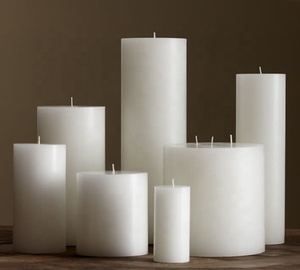
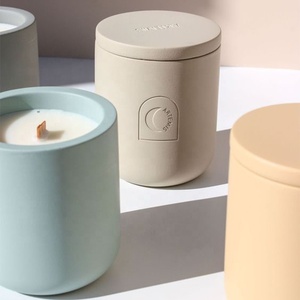
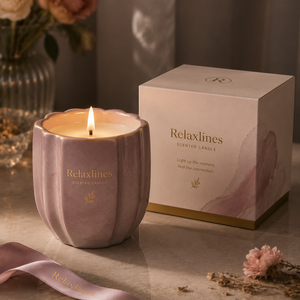
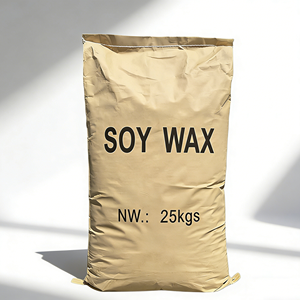
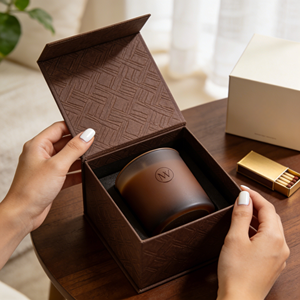
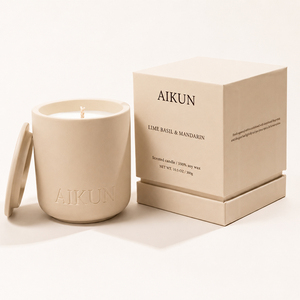
In the global market for luxury home fragrances, architectural glassware, and premium container solutions, selecting a qualified Custom OEM Glassware Supplier and Exporter requires rigorous evaluation of material science, thermal dynamics, and secondary surface finishing technologies. Glass container failure—manifesting as stress cracking during high-temperature wax pouring or thermal failure during consumer burn cycles—remains a top financial risk for private label brands. Ensuring absolute structural reliability demands advanced annealing protocols, precise wall-thickness control, and continuous quality monitoring.
When sourcing custom amber glass jars, matte-frosted tumblers, heavy-base candle vessels, or continuous-diffusion reed glass, international buyers must analyze three core engineering dimensions: silica composition, thermal shock tolerance ($\Delta T$), and chemical compatibility with organic essential oils and soy-paraffin wax blends.
Different commercial glassware applications mandate specific chemical compositions:
The following engineering data matrix assists enterprise procurement directors in matching container specs to specific product lines, shipping environments, and thermal conditions:
| Substrate / Vessel Style | Density (g/cm³) | Thermal Shock ($\Delta T$) | Annealing Range | Optimal Application |
|---|---|---|---|---|
| Apothecary Amber Glass (8 oz) | 2.50 | ≥ 65°C | 540°C - 560°C | Soy Wax Candles, UV-Sensitive Essential Oils |
| Heavy-Base Pressed Glass (10 oz) | 2.55 | ≥ 75°C | 550°C - 570°C | Luxury Retail Candles, High-End Gift Sets |
| Borosilicate Tubular Glass | 2.23 | ≥ 160°C | 560°C - 580°C | High-Flame Laboratory & Luxury Fragrance Vessels |
| Glazed Ceramic / Opal Blend | 2.40 | ≥ 90°C | N/A (Sintered 1250°C) | Nordic Embossed Aromatherapy Containers |
Transforming raw glass containers into iconic private label collections requires sophisticated post-forming processing. As an integrated manufacturer and exporter, our production lines support complete surface customization tailored to global brand identities:
Produces mirror-finish chrome, rose gold, and iridescent metallic coatings. Uses eco-friendly PVD technology resistant to fragrance oil erosion and heat discoloration.
Organic Frosting & Spray Coating
Utilizes water-borne organic paints baked at 180°C. Delivers velvet-soft matte finishes, soft-touch satin textures, and gradient color fades while maintaining 100% recyclability.
Applies high-mesh silk screening with heavy-metal-free thermosetting inks. Hot-stamping foils deliver precise metallic embossing that withstands high humidity and transport friction.
The global glassware and home fragrance export market is experiencing a structural pivot toward environmental accountability and supply chain transparency. Sourcing managers and brand directors must align their supply chains with three key macro trends shaping the 2025–2030 landscape:
International regulations, notably within the European Union (Packaging and Packaging Waste Regulation - PPWR), are driving demand for glass containers containing 30% to 75% cullet (recycled glass content). Sourcing PCR glass reduces furnace melting temperatures, cutting carbon emissions by approximately 5% for every 10% of cullet utilized.
Freight costs and carbon taxation have elevated the importance of glass lightweighting. Through advanced finite element analysis (FEA) and narrow-neck press-and-blow (NNPB) molding technologies, modern OEM suppliers can reduce wall thickness by up to 15% without sacrificing structural burst strength or thermal shock limits.
Traditional minimum order quantities (MOQs) of 20,000+ units pose significant inventory risks for growing boutique brands. Forward-thinking exporters now offer agile manufacturing frameworks—stocking standardized pre-formed glass blanks that can be rapidly customized via local spray coating and short-run printing within 48 to 72 hours.
Our production facilities unite automated glass blowing lines, precision mold workshop capabilities, and automated wax pouring rooms under one centralized quality management system. Partnering with us for your OEM/ODM programs provides distinct technical advantages:
3D CAD/CAM rapid prototyping allows custom glass vessel molds to be engineered, tested, and cast within 15 business days, drastically reducing time-to-market for proprietary container designs.
Every production batch undergoes automated optoelectronic defect scanning for micro-cracks, wall thickness variation, and rim levelness, followed by manual AQL sampling for cosmetic surface perfection.
All finished goods comply with REACH, RoHS, California Proposition 65, and IFRA safety guidelines. Heavy metal leaching tests guarantee zero lead and cadmium migration.
Answers to critical engineering, logistics, and quality assurance questions commonly raised by global procurement officers and brand owners:
