Explore engineered OEM/ODM candle profiles designed for high cold/hot scent throw, safety flashpoint stability, and luxurious private label presentation.
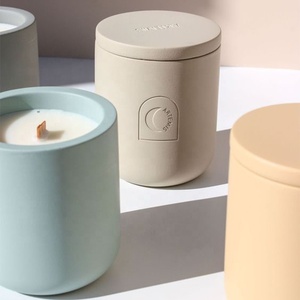
Hand-poured 100% natural soy wax with integrated plant oils, featuring a crackling wood core wick housed inside a heavy-grade thermal ceramic vessel.
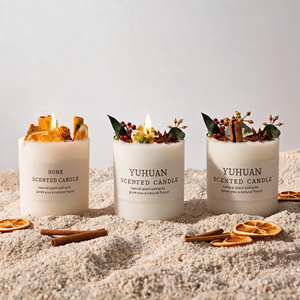
Artisanal glass jar design incorporating real dehydrated orange slices and whole cassia cinnamon bark submerged in heat-stabilized natural soy wax.
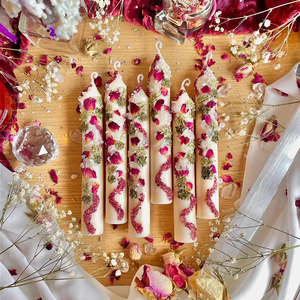
Ultra-refined botanical formulation sculpted into a slender silhouette, infused with high-potency floral isolates suitable for premium boutique collections.
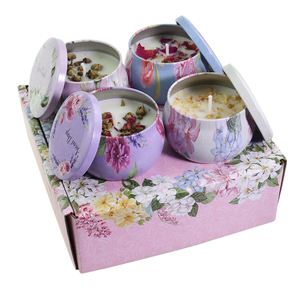
Compact travel-friendly metal vessel featuring top-layer dried floral petals. Formulated for quick scent room saturation and clean thermal burn pool.
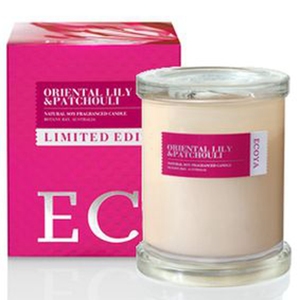
Complex multi-layered botanical accord blending sweet oriental lily with grounded dark patchouli. Crafted in a classic thick-wall glass jar setup.
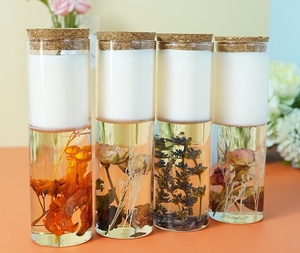
Innovative dual-core structure: clear high-density mineral gel encapsulating eternal preserved flowers surrounds an inner scented soy wax core.
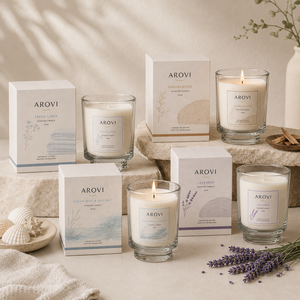
Standard 220g premium commercial candle profile. Formulated for high stability across ambient shipping ranges and optimized for retail shelves.
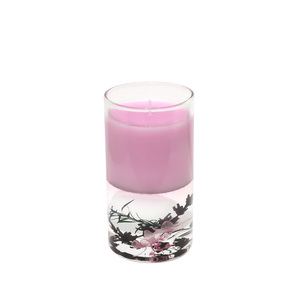
Medium-footprint 35-hour burn time botanical candle utilizing lead-free cotton wicking to eliminate carbon buildup and soot flare-ups.
The global home fragrance market has experienced a fundamental shift from chemical paraffin formulations toward natural, bio-based botanical candles. Modern commercial procurement managers and brand architects must understand that "Botanical Candles" represent a complex convergence of material science, floral stabilization, thermal dynamics, and olfactory chemistry. Unlike standard scented candles, botanical variants integrate real natural elements—such as dehydrated citrus slices, cinnamon sticks, whole rosebuds, and botanical essential oils—directly into or surrounding the wax matrix.
From a manufacturing standpoint, integrating real plant matter introduces strict engineering challenges. Raw dried botanicals possess volatile organic flashpoints. When exposed to an open candle flame, improper wick centering or insufficient wax density can turn decorative dried flowers into secondary wicks, causing dangerous flare-ups. Leading botanical candle factories overcome this through dual-chamber pouring techniques, precise wax viscosity control, and rigid adherence to ASTM F2417 (Standard Specification for Fire Safety for Candles).
Selecting an OEM/ODM partner for custom botanical candles requires evaluating specific technical metrics beyond simple unit pricing. Based on institutional procurement benchmarks, procurement teams should evaluate suppliers across ten critical operational capabilities:
| Evaluation Criterion | Industry Standard Requirement | Tier-1 Factory Capability (Optimized) |
|---|---|---|
| Wax Base Purity | Blended Paraffin / Soy Mix | 100% Pure Soybean & Coconut Oil (Zero Paraffin/Petroleum) |
| Botanical Flashpoint Testing | Visual Inspection Only | Automated Thermal Imaging & ASTM F2417 Flame Height Monitoring |
| Fragrance Load Oil Ratio | 5% – 7% Scent Retention | 8% – 12% Max Load using IFRA-Certified Natural Botanical Isolates |
| Encapsulation Technology | Single-Pour Direct Surface Lay | Dual-Layer Gel Outer Matrix with Isolated Inner Core Candle |
| Wick Engineering | Standard Braided Cotton | Custom Calibrated FSC Wood Wicks & Unbleached Organic Cotton |
| Vessel Thermal Stress | Standard Commercial Glass | Annealed Borosilicate Glass & High-Density Ceramic Containers |
| Regulatory Compliance | Basic MSDS Documentation | Full REACH, CLP, IFRA, SDS, and California Prop 65 Clearances |
| Production Scalability | High MOQ (5,000+ Units) | Flexible Low MOQ Scaling (1 to 10,000+ Units per Run) |
| Turnaround & Logistics | 30 – 60 Days Lead Time | 48-Hour Dispatch on Stocked Formats post Artwork Sign-off |
| Design & Prototyping | Outsourced Artwork Design | In-house 3D Renderings, Custom Label & Packaging Proofing |
To deliver superior Information Gain for B2B buyers, we break down the three distinct structural methodologies used by top botanical candle factories:
Soybean wax consists of hydrogenated vegetable oil triglycerides. It melts at a lower thermal threshold (approx. 48°C to 54°C) than paraffin, creating a wide, gentle melt pool. This lower temperature prevents thermal degradation of delicate botanical essential oils (such as lavender, bergamot, and chamomile), allowing for a true-to-life cold and hot fragrance throw without sharp chemical undertones.
For candles featuring visible 360-degree floral arrangements, high-density polymer gel wax is utilized. The factory constructs a double-wall system: an outer chamber filled with non-flammable mineral gel securing eternal preserved flowers, and an inner sealed glass core housing the scented soy wax and wick. This prevents the flame from ever reaching the decorative botanical elements, guaranteeing zero fire hazards while maintaining optical clarity.
In single-vessel poured candles, dehydrated botanicals (cinnamon bark, citrus slices, rosebuds) are carefully embedded into the top wax layer during the secondary cooling cycle (known as "top-dressing"). Premium factories apply a micro-thin layer of high-melting-point natural botanical wax over the inclusions to lock them in place during transport while ensuring clean burn propagation.
As retail consumers demand deeper transparency, brands must align their private label candle lines with emerging industrial trends:
Collaborating directly with our specialized botanical candle manufacturing plant eliminates middleman markups and guarantees rigorous quality control at every stage of production:
Clear technical answers regarding safety, custom manufacturing, minimum order limits, and shipping protocols for wholesale botanical candles.
Connect with our OEM/ODM technical team today to request scent samples, vessel catalogs, or custom production quotes.
