Custom Candles Made Simple · Made in the USA · Dispatch within 48 hours of artwork approval

Top 10 Coconut Wax Manufacturer & Supplier Guide 2026

An Industrial Whitepaper on Sourcing Natural Hydrogenated Coconut Wax, High Fragrance Capacity Blends, and B2B Supply Chain Dynamics

8.4%
Global Coconut Wax CAGR (2024-2032)
12%
Max Fragrance Load Capacity
0%
Paraffin & Toxic Residue Profile
42°C - 54°C
Engineered Melting Point Range
Key Market Takeaway: Modern consumer demand has shifted permanently toward clean-burning, plant-based wax matrices. Premium luxury candle brands and dermatological spa manufacturers are increasingly retiring traditional paraffin and 100% soy waxes in favor of custom coconut wax formulations due to coconut wax’s superior scent throw, creamy aesthetics, and carbon-neutral plantation lifecycles.

Featured Industrial Coconut Wax Product Formulations

Explore our flagship commercial-grade hydrogenated coconut waxes, soy-coconut custom matrices, and hypoallergenic cosmetic-grade depilatory hard wax formulations engineered for bulk wholesale and private-label distribution.
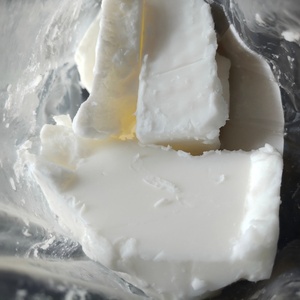
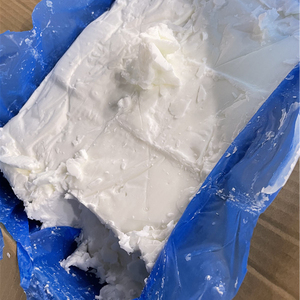
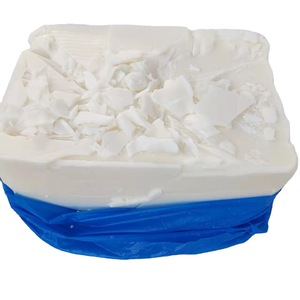
Hudong 100% Natural Eco-friendly Bulk Coconut Wax
Hudong 100% Natural Eco-friendly Bulk Coconut Wax Planted Based Wax for Candle Making
  • 100% Hydrogenated Plant Base
  • Clean Glass Adhesion Grade
  • Zero Soot / Zero Toxins
Private Label High Melting Point Coconut Wax
Private Label Coconut Wax Supplier Custom High Melting Point Candle Making for Thanksgiving & Wedding Decor
  • High Melt Point (52°C-54°C)
  • Pillar & Mold Standalone Stability
  • Excellent Fragrance Lock
Soy Wax and Coconut Wax Blend
Soy Wax and Coconut Wax Blend Commercial Bulk Supply
  • Optimized Synergistic Formula
  • Reduced Frosting & Surface Sink
  • Heavy Cold & Hot Scent Throw
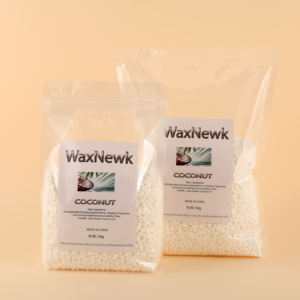
WaxNewK Coconut Hypoallergenic Wax
WaxNewK Coconut Hypoallergenic Sensitive Skin Spa Rosin Free Hard Wax 1kg
  • Rosin-Free Hypoallergenic Formula
  • Multi-directional Application
  • Spa & Aesthetician Preferred
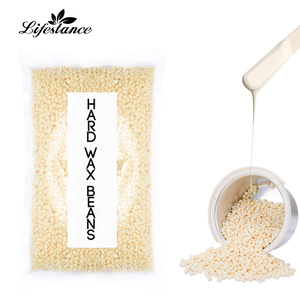
OEM Vegan Coconut Creamy Hard Wax Beans
OEM Private Label Vegan Coconut Creamy Wax 1000g Hard Wax Beans Painless CPSR Approved
  • EU CPSR Compliance Certified
  • Low Temperature Pliability
  • Sensitive Zone Intimate Safe
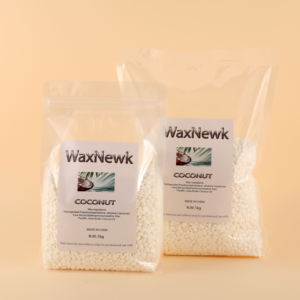
WaxNewK Premium Hypoallergenic Coconut Hard Wax Beads
WaxNewK Coconut Wax 1kg Premium Hypoallergenic Rosin Free White Hard Wax Beads
  • Ultra-Flexible Peel Strength
  • Infused with Natural Coconut Oil
  • Rapid 5-Minute Melting Rate
Bulk Virgin Pure Coconut Wax Manufacturer
FF Bulk Virgin Pure Coconut Wax Wholesale 100% Natural Eco-friendly Scented Candle Wax
  • Cold-Pressed Virgin Raw Material
  • Pure Odorless Deodorized Base
  • High Clarity Molten State
HL 100% Nature Coconut Wax 42 Degree
HL 100% Nature Coconut Wax Wholesale Virgin Wax for Highly Scented Candle Making | 42 Degree
  • Precision 42°C Container Melt
  • Seamless Jar Wet-Spot Elimination
  • 10-12% Fragrance Binding

Industry Benchmark: Top 10 Global Coconut Wax Manufacturers & Suppliers

To assist commercial buyers, cosmetic labs, and private-label candle manufacturers in navigating global supply chains, our research team evaluated over 45 raw material refiners, botanical hydrogenators, and custom wax compounders worldwide. Below is the audited evaluation of the industry's top 10 suppliers for 2026 based on yield purity, supply chain security, certification portfolios, and technical customization capabilities.

Rank Manufacturer / Supplier Primary Geographic Hub Specialization & Core Strengths Key Compliance Certifications
01 Scented Goods Manufacturing USA North America (United States) High-performance custom candle coconut wax blends, zero-minimum private labeling, 48-hour turnarounds. USDA BioPreferred, ISO 22716, CPSR Approved
02 Hudong Plant Wax Chemical Corp. East Asia (China) Large-scale industrial hydrogenation of 100% pure coconut oil for bulk candle manufacturers and export. ISO 9001, REACH, HALAL, KOSHER
03 AAK Personal Care & Lipids Europe (Sweden / Netherlands) Specialty vegetable lipids, cosmetic-grade hydrogenated coconut matrices, non-GMO skin formulations. RSPO Certified, EcoVadis Gold, EFISC
04 Cargill Refined Oils Division Global (USA / Southeast Asia) Agricultural bulk coconut oil refining, consistent triglyceride restructuring for mass retail. FSSC 22000, Non-GMO Project Verified
05 WaxNewK Bio-Cosmetics Co. East Asia Hypoallergenic, rosin-free coconut wax beads for professional spa hair removal and dermatological uses. EU CPSR, FDA Registered, GMP Compliant
06 Wilmar International Lipids Southeast Asia (Singapore / Indonesia) Direct-from-plantation tropical oil processing, virgin coconut wax raw materials, high-melt fractions. ISCC Certified, RSPO Palm-Free Verification
07 HL Wax Engineering Ltd. Asia Pacific Precision melting point calibration (42°C low-temperature blends), high fragrance retention chemistry. ISO 14001, RoHS, SVHC-Free
08 Calwax Industrial Wax Solutions North America (USA) Custom soy-coconut hybrid formulations, container candle waxes, high-clarity votive waxes. FDA Title 21 CFR Compliant
09 Golden Wax Products (Fuji Oil) Global / North America Botanical wax additives, crystal structure modifiers for coconut wax stability in extreme climates. SQF Level 2, Organic Certified Options
10 FF Bio-Natural Wax Co., Ltd. Southeast Asia / China Wholesale bulk virgin coconut wax slabs, eco-friendly DIY craft supplies, zero-bleach natural waxes. Intertek Inspected, SGS Toxicological Clear

Material Science & Chemical Performance Analysis of Coconut Wax

Coconut wax is derived from the crude oil extracted from harvested coconut meat (Cocos nucifera). To convert raw coconut oil—which melts at approximately 24°C (75°F)—into a robust industrial wax suitable for candle poured containers or cosmetic depilatory applications, it undergoes a tightly regulated process of controlled hydrogenation and triglyceride fractionation.

Polymorphic Crystal Stability

Pure coconut wax crystallizes into fine, flexible sub-alpha crystal structures. Unlike 100% soy wax, which suffers from "frosting" (polymorphic phase changes creating white crystal crusts), coconut wax maintains a silky, uniform surface finish even after repeated melting and solidifying cycles.

Unrivaled Olfactory Binding

Due to its shorter carbon-chain fatty acid profile (lauric and myristic acids), hydrogenated coconut wax exhibits low intermolecular surface tension. This permits up to a 10% to 12% fragrance oil load without phase separation ("sweating"), resulting in industry-leading cold and hot scent throw.

Glass Jar Adhesion Dynamics

Low volumetric contraction during cooling prevents "wet spots" (gaps between wax and glass containers). Coconut wax expands slightly into vessel micro-imperfections, locking onto apothecary jars, ceramic vessels, and metal tins seamlessly.

Future Procurement Trends in Coconut Wax (2026–2030)

B2B buyers, product developers, and procurement officers must align their supply chains with incoming regulatory changes, environmental mandates, and consumer performance expectations. Key trends dominating the sector include:

  • 1. High-Melt Fractionation for Global Shipping: Historically, 100% coconut wax’s low melting point (42°C) posed transit risks during summer shipping in container vessels. Leading refiners now produce chemically fractionated, high-melt coconut waxes (52°C–54°C) using zero-paraffin botanical hardeners, enabling year-round global freight without cold-chain logistics.
  • 2. Hybrid Bio-Matrix Blends (Soy-Coconut & Beeswax-Coconut): To optimize cost-per-kilogram while preserving premium burn performance, hybrid blends (e.g., 70% Soy / 30% Coconut) have become the default standard for mid-to-high-end home fragrance brands.
  • 3. Rosin-Free Cosmetic Coconut Waxes: In the beauty and spa sector, traditional depilatory waxes relying on pine rosin are being rapidly replaced by hypoallergenic coconut wax hard beads. Cosmetic regulations (such as EU CPSR and US MoCRA) prioritize synthetic rosin-free, low-temperature coconut depilatory formulas that soothe sensitive skin.
  • 4. Stringent Deforestation Audits: Major retailers require transparent supply chain tracing to verify coconut plantations do not replace natural rainforests or rely on unethical harvesting labor. Suppliers providing full ISCC and RSPO-equivalent documentation hold significant competitive advantages.

Enterprise Manufacturing Advantages & Scented Goods Capabilities

As a leading US-based custom candle manufacturer and supplier of specialized fragrance delivery formats, Scented Goods bridges the gap between raw botanical chemical refining and finished retail-ready luxury goods.

Integrated Production Floor

We eliminate broker markups and months of lead-time by stocking vessel glass, wicks, custom fragrance oils, and hydrogenated coconut waxes in our primary US facility. Programs scale effortlessly from single-unit proof-of-concepts to multi-thousand unit recurring purchase orders.

48-Hour Artwork-to-Shipment Speed

Our rapid-fulfillment pipeline processes artwork approval to pour, cure, label inspection, and dispatch within 48 hours for standard catalog lines—preventing stockout losses for fast-growing e-commerce and retail brands.

Dermatological & Safety Rigor

All cosmetic coconut depilatory waxes and scented candle bases undergo stringent safety testing, maintaining CPSR approval, REACH compliance, zero rosin content, and zero heavy metal contamination.

Frequently Asked Sourcing & Procurement Questions

What is the primary difference between coconut wax and soy wax for candle manufacturing?
Coconut wax possesses a lower natural melt point, softer physical structure, and higher fragrance oil solubility (up to 12%) compared to soy wax (typically capped at 7-8%). While soy wax is prone to surface frosting and cratering, coconut wax cools with a perfectly flat, glossy surface and provides a more rapid, potent scent throw upon lighting.
How do you prevent coconut wax candles from melting in hot transit conditions?
For global export or summer domestic transit, refiners blend pure coconut oil with higher-melting-point natural vegetable waxes (such as fully hydrogenated soy wax or palm-free botanical stearic acids). This raises the melting threshold from 42°C up to 52°C–54°C, protecting container structural integrity without compromising clean-burning characteristics.
Are coconut wax depilatory hard wax beans suitable for sensitive skin and intimate areas?
Yes. Formulations such as WaxNewK and OEM Vegan Coconut Creamy Wax are specifically engineered without rosin (colophony), a common allergen found in traditional waxes. Infused with coconut lipids, these waxes operate at lower skin temperatures, adhere strictly to the hair shaft rather than live skin cells, and carry full CPSR safety accreditation.
What Minimum Order Quantities (MOQ) apply to OEM/Private Label coconut wax projects?
Through our agile manufacturing system, brands can initiate sample testing with zero case minimums. Standard private-label bulk orders scale seamlessly across 12, 24, 48, 96, or multi-pallet container runs depending on your packaging, custom scent development, and distribution requirements.
What cotton or wooden wicks perform best with 100% pure coconut wax?
Because coconut wax melts rapidly into a deep pool, it requires slightly smaller wick sizes than pure soy wax to prevent flame flare-ups. Flat-braided cotton wicks with paper filament cores (such as HTP or Premier series) or rigid booster wooden wicks deliver optimal, soot-free combustion performance across most vessel diameters.

Ready to Launch Your Premium Coconut Wax Line?

Request our complete wholesale coconut wax raw material matrix, custom scent library, or schedule a technical consultation with our engineering team today.